How to Use Solenoid Valves in Your Irrigation System?
Efficient water management is essential in agriculture. The use of technology in irrigation systems has gained traction. One key component is the Solenoid Valve In Irrigation Systems. Reports indicate that nearly 70% of fresh water is utilized for agriculture. This highlights the need for optimized irrigation practices.
Solenoid valves enable precise control over water flow. They reduce water wastage significantly. According to studies, using automatic irrigation systems can save up to 50% of water compared to traditional methods. However, installation and maintenance are often overlooked. Many users struggle with proper setup and timing for maximum efficiency.
Acknowledging the challenges in implementing solenoid valves can lead to better outcomes. While they present a reliable solution, users must ensure they are well-integrated into their systems. This requires regular monitoring and adjustments. Investing time in learning about solenoid valve operation pays off in the long run. Ultimately, their effectiveness hinges on user knowledge and system adaptability.
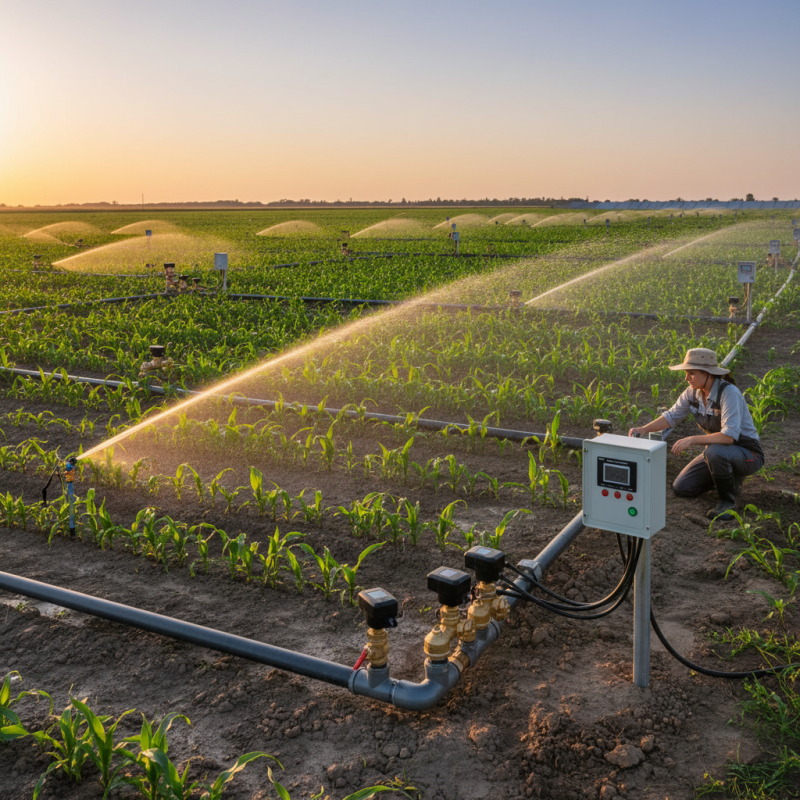
Understanding Solenoid Valves and Their Role in Irrigation Systems
Understanding solenoid valves is crucial for effective irrigation systems. These valves are electric switches. They control water flow electronically. In a typical agricultural setting, up to 50% of irrigation water is wasted due to inefficiencies. This highlights the importance of reliable components like solenoid valves.
Tips: Regular maintenance is key. Check for leaks and corrosion. Inspect the wiring for damage. Replace any defective parts promptly. Monitoring your system can lead to a 20% reduction in water waste. That’s a significant saving!
Solenoid valves operate when electrical power is applied. This action opens or closes the valve. Farmers have reported a 30% increase in crop yield with automated irrigation systems. Still, improper installation can lead to failures. It matters to engage professionals for setup and adjustments. Always assess the specific needs of your site.
How to Use Solenoid Valves in Your Irrigation System?
| Dimension | Description | Example Values |
| Voltage | The electrical voltage required to operate the solenoid valve. | 12V, 24V |
| Flow Rate | The volume of water that can flow through the valve per unit time. | 1 GPM, 5 GPM, 10 GPM |
| Pressure Rating | The maximum pressure the valve can withstand. | 30 PSI, 150 PSI |
| Operating Temperature | The temperature range in which the valve operates effectively. | 32°F to 140°F |
| Connection Type | The type of pipe fitting that the valve is compatible with. | Threaded, Slip, Compression |
| Material | The material from which the valve is made, affecting durability and corrosion resistance. | PVC, Brass, Stainless Steel |
Components of a Solenoid Valve and How They Function
Solenoid valves are vital components in irrigation systems. They automate water flow based on signals from a control system. The main parts include a coil, plunger, and body. The coil generates a magnetic field, which moves the plunger. This movement opens or closes the valve, allowing or stopping water flow.
A common mistake is improper installation. Ensure that the valve is positioned correctly. Check for leaks after installation. This simple step can save you time and water.
Regular maintenance is crucial for longevity. Inspect the solenoid for wear or dirt buildup. Clean it periodically to ensure optimal function. Also, test the electrical connections; loose wires can lead to failure. Remember, small issues can lead to bigger problems in an irrigation system.
Water Flow Rate in Different Types of Solenoid Valves
This chart illustrates the water flow rates (in gallons per minute) for various sizes of solenoid valves typically used in irrigation systems. As the size of the valve increases, the flow rate also increases, allowing for efficient water distribution in agricultural settings.
Installation Process of Solenoid Valves in Irrigation Systems
Installing solenoid valves in your irrigation system is a vital step for efficient water management. A well-designed irrigation system can reduce water use by 20-50%, according to industry reports. This translates to significant savings, especially during dry seasons. However, improper installation can lead to leaks and inefficiencies, which are common mistakes.
To start, ensure the solenoid valve is compatible with your system. This is crucial. The valve should match the flow rate and pressure specifications of your irrigation setup. Next, consider the location. The solenoid valve should be installed in a shaded area to avoid overheating, which could lead to valve failure. Before installation, check soil conditions. Wet soil can complicate the process.
When connecting the valve, use proper fittings and double-check for leaks at all joints. Experts emphasize that even a small leak can waste thousands of gallons annually. After installation, test the system. Activate the valve to see if it opens and closes correctly. Many users report frustrations with valves that stick or malfunction due to sediment buildup. Regular maintenance is essential to address these issues.
Troubleshooting Common Issues with Solenoid Valves in Irrigation
Solenoid valves are essential components in irrigation systems. They regulate water flow and pressure, ensuring crops receive adequate hydration. However, issues can arise, impacting their functionality. Common problems include leaks, erratic operation, and electrical failures.
Leaks can often be traced back to faulty seals. According to industry reports, about 30% of irrigation system failures stem from valve leaks. Regularly inspecting valves for wear can prevent significant water loss. Check connections to ensure they are tight. Sometimes, a simple tightening can resolve the issue.
Erratic operation can be due to electrical problems. Ensure that power supply is stable. Fluctuations can cause valves to open or close unexpectedly. Testing the solenoid with a multimeter can help identify electrical issues. Remember, the typical lifespan of a solenoid valve is about 5-7 years. Once they start showing signs of failure, it may be time for a replacement. Always keep a backup valve on hand for emergencies.
Tip: Clean your solenoid valves regularly to prevent buildup. A small amount of grit can cause significant issues. Simple maintenance can extend the life of your system.
Maintenance Tips for Ensuring Optimal Performance of Solenoid Valves
Maintaining solenoid valves is essential for optimal irrigation performance. Regular checks can prevent costly damages. According to industry reports, about 25% of irrigation systems experience failures due to valve issues. Even minor leaks can lead to significant water waste and increased utility bills.
Cleaning is crucial. Debris can clog the valve, affecting its operation. Flushing the valve every few months helps. Also, inspectors should check for corrosion or wear. Many valves fail prematurely due to environmental factors, leading to a 10% reduction in efficiency, according to a study by irrigation experts.
Routine testing of electrical components is also essential. Ensuring the solenoid receives adequate voltage makes it operate effectively. A voltage drop of just a few volts can hinder performance. If you notice inconsistent operation, it might be wise to revise your maintenance plan. Sometimes, comprehensive testing uncovers hidden issues. Re-evaluating how often maintenance occurs can lead to improved results.