
As electric vehicles (EVs) surge in popularity, the demand for AC EV Chargers is rapidly growing. According to a 2023 report by the International Energy Agency, global sales of electric vehicles reached 10 million units last year. Businesses must adapt to this shift. Selecting the right AC EV Charger is crucial for ensuring operational efficiency and customer satisfaction.
Renowned industry expert Dr. Emily Hartman asserts, "The future of business charging infrastructure relies on making informed decisions about AC EV Chargers." Her analysis highlights that a well-chosen charger can enhance user experience, reduce wait times, and optimize energy costs. Businesses should consider factors like charging speed, installation requirements, and customer preferences when selecting their chargers.
However, the choices available may seem overwhelming. Many businesses may feel uncertain about their options. The consequences of a poor choice can lead to subpar user experiences or inefficient energy consumption. Businesses need to undertake thorough research and engage with knowledgeable suppliers to mitigate these risks. The right AC EV Charger can transform how businesses operate in this evolving market, ultimately driving success in a competitive landscape.
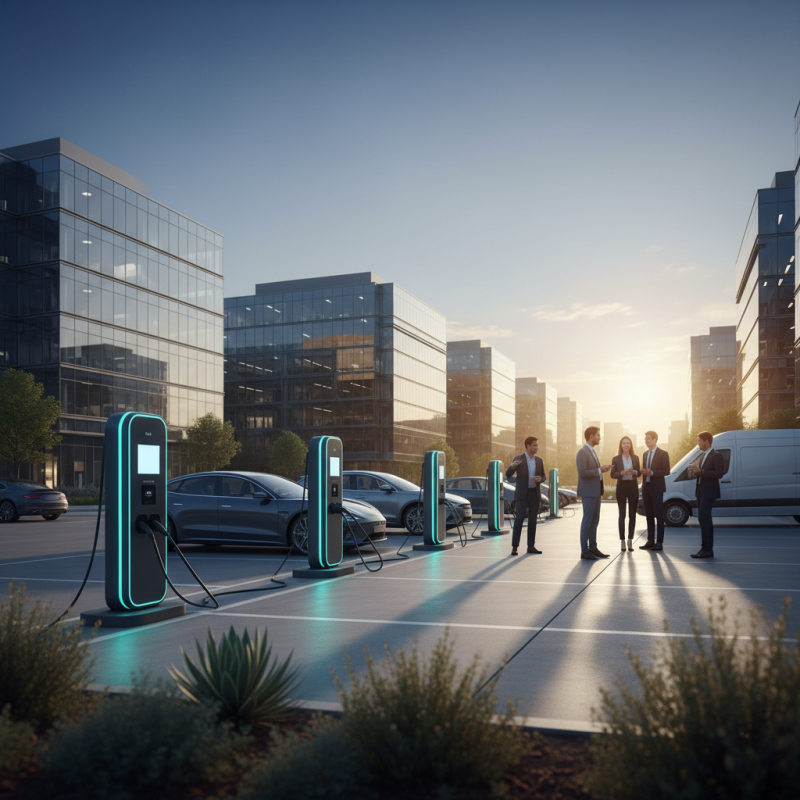
When selecting an AC EV charger for your business, it is crucial to understand the different types available. Level 2 chargers are commonly used in commercial settings. They typically provide charging speeds of 3.3 kW to 19.2 kW. This range meets the demands of businesses with varying customer traffic. According to industry data, Level 2 chargers account for around 80% of public charging stations. This highlights their popularity.
DC fast chargers are another option, offering speeds of 50 kW to 350 kW. They are ideal for businesses seeking to provide rapid charging experiences. A report by the International Energy Agency indicates that fast chargers can replenish an EV battery to 80% in as little as 30 minutes. However, these chargers are more expensive and require a higher electrical capacity.
Considerations beyond speed also matter. Portability and installation complexity are essential. Some businesses may benefit from mobile chargers, while others prefer fixed installations. A 2022 survey revealed that 56% of businesses faced challenges during installation. Assessing site infrastructure is critical for ensuring successful charger deployment. Understanding these factors can guide effective decision-making in your EV charging strategy.
Installing an EV charger at your business requires careful consideration of your energy needs. Assess your current electricity supply and demand. Are your energy systems up to the task? Calculate the amount of power your electric vehicles will require. This initial assessment can prevent costly upgrades later.
Tip 1: Analyze your workspace. Look at parking capacity and layout. Ensure easy access to the chargers. Think about the flow of traffic and safety as well. Creating a user-friendly environment matters.
Tip 2: Engage with an energy consultant. Their expertise can reveal hidden issues in your energy use. They can guide you to optimize your installation based on real-time data. Sometimes, businesses overlook energy efficiency during planning.
Consider the potential for future expansion. Your current EV needs may grow. Anticipate changes in your business model or fleet size. Flexibility is key to adapting to new energy demands as your company evolves.
When selecting an AC EV charger for your business, evaluating installation options is crucial. You can choose between indoor and outdoor chargers, depending on your site's characteristics and user needs. Indoor chargers might offer greater protection from weather elements. However, outdoor installations can cater to customers who need easy access. According to a report by the International Council on Clean Transportation, businesses with outdoor chargers are seeing a surge in customer engagement, as convenience is key.
Consider your location's climate. An outdoor charger must withstand rain, snow, and extreme temperatures. While weatherproof designs exist, not all outdoor chargers are created equal. Data from the U.S. Department of Energy highlights that chargers in extreme environments may experience a drop in efficiency, impacting user experience. Assessing your geographical and meteorological conditions can help you make the right decision.
When deciding on charger placement, think about user accessibility. If you install in a crowded area, users may face challenges navigating to the charger. An inconvenient setup can deter potential customers. Additionally, consider installation costs. Outdoor wiring may require more funds and planning than indoor options. Evaluating these factors will guide you in making a practical choice for your business's EV charging infrastructure.
When selecting an AC EV charger for your business, understanding cost estimates is crucial. Installation costs can vary widely based on location, existing electrical infrastructure, and the charger’s capacity. It's essential to factor in these elements early in your budgeting process. A detailed assessment can save you from unexpected expenses later.
Consider the installation site. If electrical upgrades are necessary, this can increase the total cost significantly. Hiring an experienced installer is also vital, as their expertise can prevent future problems. Prepare to invest in reliable equipment to ensure longevity and efficiency.
Tip: Assess your charging needs based on anticipated usage. High traffic areas may require multiple chargers. Evaluate energy rates in your location. This can affect your long-term operational costs. Ensure to include maintenance costs in your budget. A well-maintained charger increases safety and reliability.
Think about the potential return on investment. Offering charging stations can attract eco-conscious customers. Balancing immediate costs with future benefits might require reflections. The goal is to align the charger’s capabilities with your business needs while considering its economic impact.
The future of EV charging technology is constantly evolving. As businesses adopt electric vehicle (EV) chargers, staying updated on trends is crucial. Research indicates that by 2030, the global EV charging market is expected to reach $100 billion. This growth demands innovative technology and approaches.
One significant trend is the advancement of smart charging solutions, enabling businesses to optimize energy use. According to a recent report, smart chargers can reduce energy costs by up to 25%. They allow for load balancing and help manage energy distribution during peak hours. These systems can also provide real-time data analytics to improve operational efficiency. However, the implementation of such technology requires thoughtful planning and investment.
Another important factor is the push for faster charging solutions. The emergence of ultra-fast chargers can cut charging time significantly. Despite their benefits, these chargers require a substantial infrastructure upgrade. Businesses must carefully consider their current capabilities and future needs. Ensuring robust installation processes and maintenance protocols is vital. As EV adoption continues to rise, companies must adapt to technological changes while addressing potential challenges. This balancing act will define the future of EV charging in business settings.
| Tip Number | Tip Description | Considerations | Future Trends |
|---|---|---|---|
| 1 | Evaluate power output levels | Understand your business's charging needs | Higher demand for fast charging |
| 2 | Consider installation location | Accessibility and safety for users | Smart city integrations |
| 3 | Research connectivity options | Networked vs. standalone chargers | Increase in IoT-based solutions |
| 4 | Look for government incentives | Grants or tax credits available | Enhanced incentives for green tech |
| 5 | Analyze energy costs | Review your electricity rates | Emerging pricers for renewable energy |
| 6 | Prioritize user-friendly interfaces | Ease of use for customers | Trends towards app integration |
| 7 | Plan for future scalability | Ability to expand charging solutions | Growth of electric vehicle market |
| 8 | Check durability and warranty | Reliability of charger units | Durability due to harsh climates |
| 9 | Assess customer support availability | Responsive manufacturer/dealer support | Increased focus on customer service |
| 10 | Understand payment options | Multiple payment methods for users | Adoption of contactless innovations |