What is a Magnetic Chuck and How Does it Work?
Magnetic Chucks play a vital role in various machining processes. These tools provide a reliable way to hold ferromagnetic workpieces during milling, grinding, or other operations. According to industry expert Dr. Emily Carter, "Magnetic Chucks offer precision and stability that traditional clamps often fail to achieve." Her insight highlights the importance of these devices in modern manufacturing.
Understanding how Magnetic Chucks function is crucial for achieving optimal results. These chucks use magnetic force to secure workpieces, allowing for faster setups and enhanced accuracy. Operators often appreciate the convenience and efficiency they provide on the shop floor. However, it's essential to consider their limitations. Magnetic Chucks may not hold certain non-ferrous materials, which can lead to challenges in operation.
Every machining situation is unique. Factors such as material type, shape, and size can affect the effectiveness of Magnetic Chucks. Users must remain vigilant and adjust their techniques accordingly. While the benefits are clear, it's vital to reflect on potential issues, such as inadequate magnetic strength for larger workpieces. This ongoing evaluation ensures that businesses maximize their use of Magnetic Chucks.
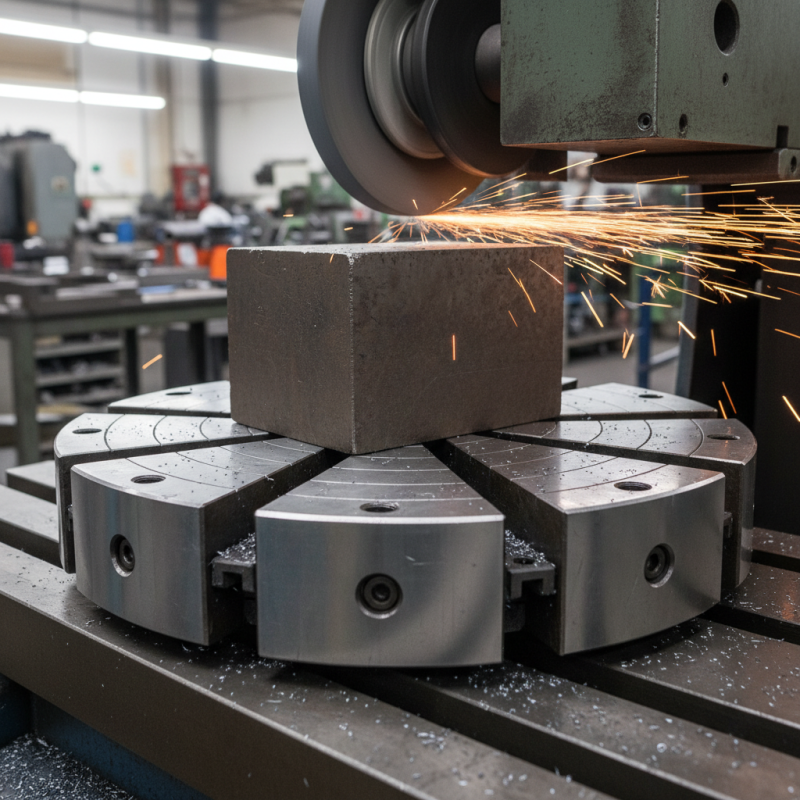
What is a Magnetic Chuck?
A magnetic chuck is a crucial device in metalworking and machining industries. It is used to secure ferromagnetic workpieces during milling, grinding, and other machining processes. The magnetic chuck operates using a strong magnetic field generated by electromagnets or permanent magnets. This allows for quick setup and removal of pieces, enhancing efficiency on the shop floor. A report by the Market Research Future in 2021 projected that the global magnetic chuck market would grow significantly, driven by increasing automation in manufacturing.
These devices create a firm hold on materials, which is vital for precision. A poorly aligned chuck can lead to inaccuracies, costing time and resources. Studies reveal that up to 30% of machining time can be lost due to improper workpiece clamping. This underlines the need for quality checks and employee training. Many companies still face challenges in maintaining optimal magnetic forces, especially with wear over time.
Adopting advanced technologies can enhance the reliability of magnetic chucks. For instance, integrating sensors to monitor magnetic strength would provide real-time data. However, implementing such systems requires investment and careful consideration of existing processes. This highlights the balance between innovation and practical application in manufacturing settings.
Principles of Magnetic Field in Chuck Operation
A magnetic chuck is a tool used to hold metal workpieces securely during machining. The operation of a magnetic chuck relies heavily on the principles of magnetic fields. At its core, the chuck has magnets that generate a magnetic field when energized. This magnetic field interacts with the ferromagnetic material of the workpiece, creating a strong attraction.
In a magnetic chuck, the magnetic field is produced by coils or permanent magnets. When electric current flows through the coils, the magnetic field activates. This instant activation allows for rapid clamping, making it efficient in various machining processes. However, it's essential to ensure proper alignment of the workpiece. Misalignment might lead to uneven pressure and potential damage during operation.
While magnetic chucks offer numerous advantages, their effectiveness can vary based on conditions. Factors like surface flatness and material composition can impact clamping force. It's important to conduct regular maintenance checks. Over time, dust and debris can accumulate, affecting the magnetic efficiency. Operators must remain vigilant to ensure consistent performance and improve the reliability of their machining operations.
Types of Magnetic Chucks Used in Industry
Magnetic chucks are essential tools in the manufacturing industry. They provide a secure grip on ferromagnetic workpieces during machining processes. Various types of magnetic chucks exist, each designed for specific applications and materials.
Permanent Magnetic Chucks are simple and reliable. They use magnets that maintain a constant magnetic field, ensuring stability. These are ideal for machining flat surfaces and smaller components. On the other hand, electromagnetic chucks allow for adjustable holding power. Their magnetic force can be turned on and off, providing versatility. This flexibility is useful for larger or irregularly shaped materials.
Ceramic magnetic chucks have emerged as another option. They excel in holding thin materials without distortion. However, their effectiveness depends on proper alignment and surface conditions. Newer designs aim to improve these aspects, yet challenges remain in achieving the perfect hold. Each type presents different strengths and weaknesses, and choosing the right one requires careful consideration of your specific needs.
Magnetic Chuck Types Used in Industry
Applications of Magnetic Chucks in Machining
Magnetic chucks play a crucial role in modern machining processes. These devices use magnetic forces to hold workpieces securely during operations like milling and grinding. By providing a stable foundation, they enhance precision and efficiency. According to industry reports, over 25% of machining operations now utilize magnetic chucks due to their benefits.
Key applications include clamping irregularly shaped parts. This is especially vital in aerospace and automotive industries, where components often have complex geometries. A study showed that magnetic chucks reduce setup times by up to 30%. Faster setups allow manufacturers to respond swiftly to market demands.
However, magnetic chucks are not without challenges. The magnets can demagnetize over time, leading to potential safety hazards. Regular maintenance is essential to ensure reliability. Additionally, workpieces made from non-ferrous materials require different clamping solutions. Addressing these issues is critical for optimizing performance and achieving consistent results in machining tasks.
What is a Magnetic Chuck and How Does it Work? - Applications of Magnetic Chucks in Machining
| Application | Material Type | Precision Level | Common Industry |
| Milling | Steel | High Precision | Manufacturing |
| Grinding | Aluminum | Medium Precision | Aerospace |
| Electrical Discharge Machining (EDM) | Copper | Very High Precision | Tool and Die |
| Turning | Cast Iron | High Precision | Automotive |
| Welding | Stainless Steel | Medium Precision | Construction |
Maintenance and Safety Considerations for Magnetic Chucks
Magnetic chucks provide a powerful and efficient way to hold workpieces in machining. However, regular maintenance is crucial for optimal performance. Inspecting the chuck for damage is important. Look for cracks or chips. These can compromise functionality. Keeping the surface clean is equally vital. Metal shavings and dust can affect the magnetic field strength. Regularly cleaning with a soft cloth helps maintain effectiveness.
Safety should not be overlooked when working with magnetic chucks. Ensure that the power supply is off during maintenance. Always use personal protective equipment, such as gloves and goggles. A sudden release of a workpiece can cause injuries. Educating staff on the correct use of magnetic chucks is essential. Conducting training sessions can minimize risks. Remember, complacency in safety measures can lead to accidents. Be mindful of these considerations to ensure a safer work environment.