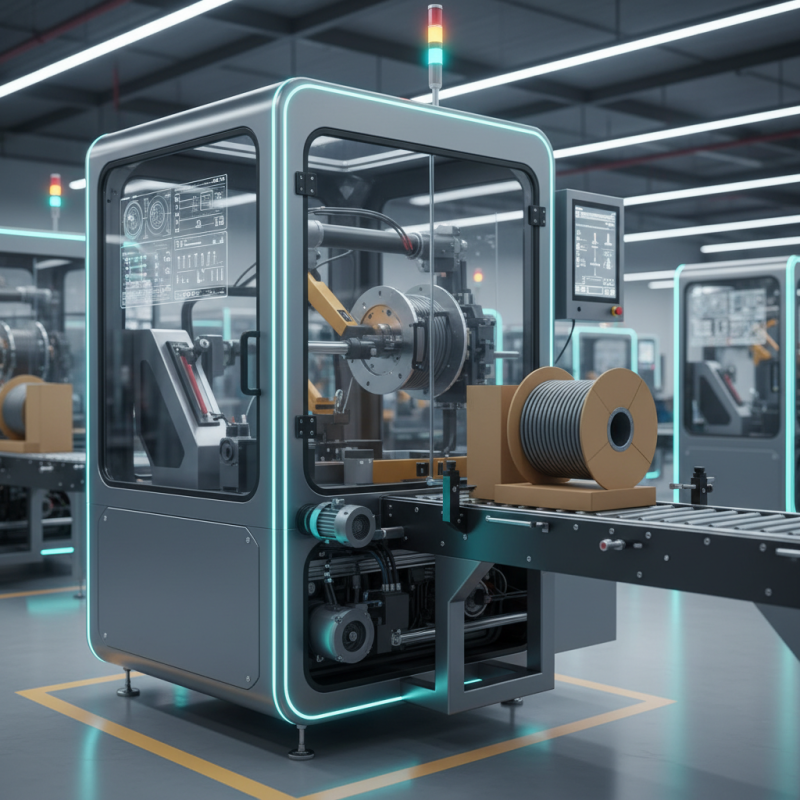
Digital Coiling and Packing Machine Best Practices and Tips?
In the ever-evolving world of automation, the Coiling and Packing Machine stands out as a pivotal tool. This essential equipment enhances efficiency and streamlines packaging processes. Manufacturers often rely on these machines for their precision and speed.
However, many users struggle with optimizing their performance. Finding the right settings can feel overwhelming. Moreover, inadequate training can lead to inefficiencies. Simple mistakes, like improper loading, often result in wasted materials and time.
Understanding best practices for operating these machines can make a significant difference. Knowing how to adjust tension and speed is vital. Regular maintenance is key to avoiding breakdowns. Adopting these strategies not only improves productivity but also extends the lifespan of the Coiling and Packing Machine. Let’s explore effective tips that can enhance your experience with this invaluable technology.
Overview of Digital Coiling and Packing Machines
Digital coiling and packing machines have revolutionized packaging processes. These machines streamline workflows and improve efficiency. Their automation capabilities reduce labor costs and minimize errors. Companies can now scale production without compromising quality. However, adjusting to these technologies may present challenges.
One common issue is operator training. Staff may struggle to effectively utilize machine features, leading to delays. Regular training sessions can address this gap. Another area for improvement is maintenance. Neglecting machine upkeep can result in breakdowns. Scheduled maintenance checks can mitigate these risks.
Understanding the machine’s capabilities is crucial. Many operators overlook essential settings that could enhance performance. Small adjustments can lead to significant improvements. Moreover, users should remain open to feedback and adapt their processes. Embracing a culture of continuous improvement can drive success in digital packing operations.
Digital Coiling and Packing Machine Best Practices and Tips
| Best Practice | Description | Benefits | Tips |
| Regular Maintenance | Performing routine checks and servicing to ensure optimal performance. | Improved efficiency and reduced downtime. | Develop a maintenance schedule and keep records. |
| Operator Training | Ensuring all operators are well-trained on the equipment. | Enhanced safety and effectiveness in handling machinery. | Provide hands-on training sessions regularly. |
| Quality Material Selection | Using high-quality packing materials for better performance. | Reduced wastage and higher customer satisfaction. | Source materials from reliable suppliers. |
| Data Analytics | Utilizing data for monitoring machine performance. | Identifying inefficiencies and optimizing processes. | Implement software for tracking machine metrics. |
| Safety Protocols | Establishing comprehensive safety procedures. | Minimizes risk of accidents and injuries. | Conduct regular safety drills and training. |
Key Components of Digital Coiling and Packing Machines
Understanding the key components of digital coiling and packing machines can greatly enhance their efficiency and effectiveness. These machines typically consist of a control panel, coiling mechanism, packing chamber, and a user interface. Each part plays a crucial role in the overall process. Regular maintenance of these components is essential to keep the machinery running smoothly.
When setting up the control panel, ensure that all settings align with the specific material being processed. Different materials may require different tension settings. Don't overlook the importance of proper calibration; it can significantly affect the packing quality. A quick tip: maintain a log of your calibration changes. This helps in troubleshooting.
The coiling mechanism should be regularly inspected for wear and tear. Pay attention to the tension and alignment. Experimenting with different coiling speeds may yield better results. Sometimes, the output might not meet expectations. In such cases, consider adjusting the packing chamber settings. Remember, it's okay to learn from mistakes. Reflecting on these adjustments can lead to improved practices over time.
Best Practices for Operating Digital Coiling and Packing Machines
Operating digital coiling and packing machines effectively requires a combination of attention and skill. Proper training is essential. Operators should fully understand the machine’s functions before starting. A detailed manual can help illustrate important steps and safety protocols. Familiarity with the settings can prevent mishaps.
Regular maintenance is crucial to ensure optimal performance. Dust and debris can accumulate in the machine, affecting its efficiency. Schedule routine cleaning and check for any wear and tear. Lubricating moving parts can prolong the life of the equipment. It’s not uncommon for operators to overlook these tasks, which can lead to unexpected breakdowns.
Lastly, operators should remain vigilant during the coiling and packing process. Sometimes, adjustments are necessary while the machine is in use. An unexpected error might appear, requiring quick thinking. Documenting these moments can lead to improvements in future operations. Reflecting on challenges helps develop better practices over time. This is an ongoing learning process.
Common Issues and Troubleshooting Tips for Digital Machines
Digital coiling and packing machines can face common issues that disrupt operations. One frequent problem is inconsistent coil tension. This can lead to uneven packaging. Check the tension settings regularly to maintain uniformity. If issues persist, inspect the mechanical components for wear.
Another common concern is misalignment during packing. Misalignment can cause damage and waste materials. Regular calibration of the machine is essential. It helps in preventing such problems. Operators should be trained to identify misalignment visually and make necessary adjustments quickly.
Additionally, software glitches can occur, leading to operational delays. Keeping the software updated can help minimize these hiccups. Yet, it’s crucial to build a backup protocol to mitigate risks. These troubleshooting measures can enhance efficiency and prolong the machine’s lifespan. Regular maintenance checks are equally vital for successful operations.
Maintenance Tips for Ensuring Peak Performance of Packing Machines
Maintaining a packing machine is crucial for optimal performance. Regular maintenance can prevent unexpected breakdowns. It is key to check the machine daily for wear and tear. Look for any loose parts or unusual sounds. These are signs that something needs attention.
One practical tip is to clean the machine regularly. Dust and debris can affect its performance. Use a soft brush to remove dirt from hard-to-reach areas. Also, lubricant should be applied where necessary. This keeps the machine running smoothly.
Another important aspect is to conduct inspections periodically. Schedule weekly checks on the machine’s components, like motors and belts. Document any issues and how they were resolved. This practice can help track patterns and identify recurring problems. Recognizing these can facilitate necessary improvements and enhance the machine’s longevity.