How to Choose the Right Hopper Dredger for Your Project?
Choosing the right Hopper Dredger for your project is crucial. It directly impacts efficiency and project costs. A hopper dredger is a specialized vessel used for dredging offshore materials. Understanding your project’s specific needs will help in making the best choice.
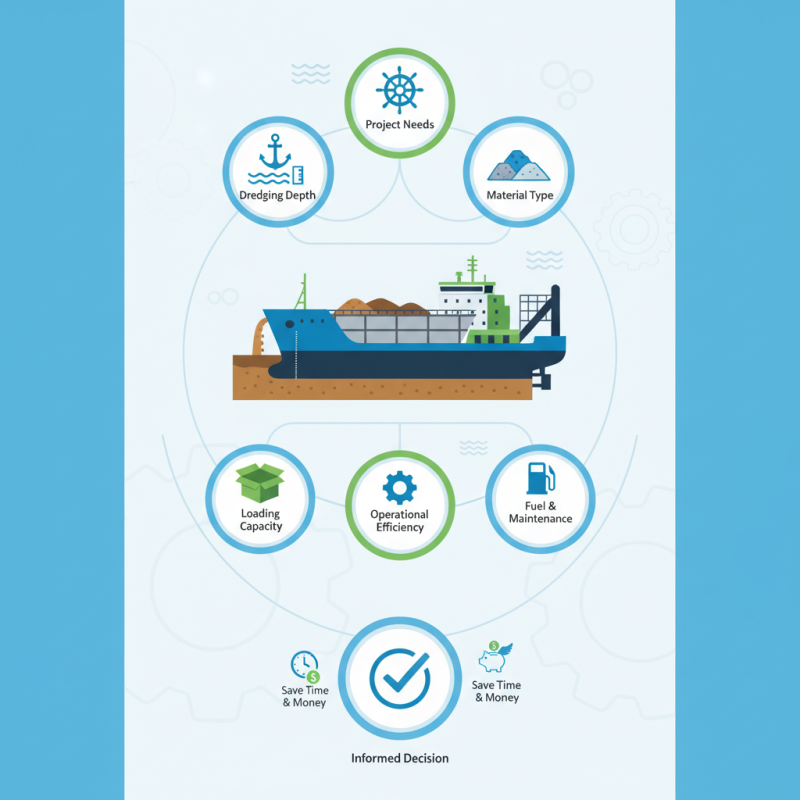
Hopper dredgers come in various sizes and capabilities. Each type serves different purposes. Factors like dredging depth, type of material, and project scale matter. An unsuitable choice can lead to delays or cost overruns. Sometimes, consulting with experts can clarify your options. A lack of proper knowledge may lead to regrets later on.
Making the right decision requires careful evaluation. Look into the dredger’s loading capacity and operational efficiency. Consider fuel consumption and maintenance needs too. Every detail counts in ensuring project success. Incomplete understanding of these factors may result in wasted resources. Ultimately, a well-informed decision can save time and money.
Understanding the Basics of Hopper Dredgers and Their Functions
Hopper dredgers play a vital role in various marine projects. They are designed to excavate and transport sediment. Understanding their basic functions is key to selecting the right unit for your needs. Typically, these dredgers use a large hold, or hopper, to collect and store dredged material. The size and capacity of a hopper dredger can significantly affect project efficiency.
When considering a hopper dredger, evaluate its capacity. Data from 2022 indicates that the largest dredgers can have hoppers that hold over 30,000 cubic meters of material. This capacity can drastically reduce the number of trips needed for large-scale projects. Look for models equipped with advanced features such as side doors for faster unloading.
Tip: Always consult with marine engineering experts before finalizing your decision. Their insights can help you avoid costly mistakes.
Moreover, keep in mind the dredging depth capabilities. Some dredgers can operate at depths over 30 meters, while others are limited. Evaluating operational depth is essential for project success. It is worth noting that having a dredger that exceeds project needs could lead to inefficiencies.
Tip: Assess project requirements carefully to avoid under or over-specifying your dredger choice.
Key Technical Specifications to Consider When Selecting a Hopper Dredger
When selecting a hopper dredger, it’s essential to focus on key technical specifications. The dredger's capacity directly impacts efficiency. A larger hopper can hold more material, reducing the number of trips needed. Consider the dredger's dredging depth. Different projects require specific depths to access sediment effectively. Understanding this requirement can save time and costs.
The propulsion system is another critical aspect. A powerful engine ensures the dredger can maneuver efficiently, even in challenging waters. The hopper design matters too. A well-designed hopper minimizes sediment loss during transport. This feature is crucial for environmental considerations.
Maintenance and operational costs should also be evaluated. Some dredgers have higher maintenance needs, which can impact long-term budgets. Assessing these factors thoroughly aids in making the right choice. Even experienced operators can overlook these details, leading to inefficiency. Reflecting on past projects can provide insight into what features matter most for future endeavors.
Assessing Project Requirements: Size, Depth, and Capacity Calculations
When selecting the right hopper dredger, understanding project requirements is key. Size, depth, and capacity calculations are critical factors. Knowing the dimensions of the area to be dredged helps in determining the appropriate dredger size. This ensures efficient operation and minimizes costs.
Depth is another essential aspect. Project sites may vary dramatically in depth. If the dredger cannot reach required depths, it fails to meet project goals. Conducting thorough depth assessments prevents complications during operations.
Capacity also plays a vital role. Understanding material volume and density is crucial. A dredger with insufficient capacity can lead to project delays. Additionally, miscalculating capacity can result in operational inefficiencies. Reflecting on these parameters is important for project success. The chosen dredger must align with specific project needs for effective results.
How to Choose the Right Hopper Dredger for Your Project?
This chart illustrates the key considerations when selecting a hopper dredger, highlighting the relationship between project requirements such as size, depth, and capacity.
Analyzing Operational Costs and Efficiency of Different Dredger Models
When selecting a hopper dredger, understanding operational costs and efficiency is crucial. Different models come with varying fuel consumption, maintenance needs, and performance metrics. Analyzing these factors helps ensure you choose a machine that fits your project’s requirements.
Operational efficiency is often measured by how much material can be dredged in a specific time frame. Look for dredgers that utilize advanced technology for optimal performance. The initial purchase price of the dredger often does not reflect long-term costs. Regular maintenance can add to your expenses over time, influencing your overall budget.
**Tip:** Calculate potential fuel costs based on the dredger's specifications. This early assessment can save you from unexpected expenses later.
Efficiency and cost are interconnected. A more efficient dredger may have a higher upfront cost. However, it can reduce long-term fuel and maintenance expenses. Evaluate the workload and ensure the dredger’s capacity meets your specific needs.
**Tip:** Compare different models' performance metrics. Use case studies to gauge their efficiency in real-world scenarios. This can provide insights into what to expect.
How to Choose the Right Hopper Dredger for Your Project? - Analyzing Operational Costs and Efficiency of Different Dredger Models
| Model | Dredging Depth (m) | Production Rate (m³/h) | Fuel Consumption (L/h) | Operational Cost ($/m³) |
| Model A | 20 | 1500 | 50 | 15 |
| Model B | 25 | 1200 | 60 | 18 |
| Model C | 30 | 1800 | 55 | 14 |
| Model D | 15 | 900 | 40 | 20 |
Regulatory Compliance and Environmental Considerations in Dredging Projects
Dredging projects must consider regulatory compliance and environmental impact. Different regions enforce various regulations. Understanding these rules is essential before starting your project. Each project can impact local ecosystems. Ensuring adherence to laws can prevent costly delays and fines.
Environmental considerations are equally crucial. Dredging can disturb underwater habitats. It’s important to assess how your project affects fish, plants, and other wildlife. Engaging with local environmental agencies early can provide guidance. They can help identify potential concerns.
Consulting with experts is beneficial. Their insights can help navigate complex regulations. An informed approach can minimize environmental damage. Creating a comprehensive plan is vital. This plan should address compliance and ecological preservation. Balancing project goals with environmental responsibility can be challenging, yet it is necessary.