How to Choose the Best Led Pathway Light for Your Garden?
Choosing the right LED pathway light for your garden can significantly enhance its aesthetic appeal. The right illumination not only beautifies your outdoor space but also improves safety and functionality. With various styles, colors, and brightness levels available, selecting the best LED pathway light can feel overwhelming.
Understanding the critical aspects of LED pathway lights is essential. Consider the brightness level that fits your garden's size and layout. Some lights offer soft glows, while others provide more intense illumination for larger areas. Pay attention to the design and materials. Ensure they complement your garden style. You want consistency in both aesthetics and functionality.
Reflecting on your needs and preferences is vital. Will the lights be used for navigation or decoration? Each purpose may require different features. Take your time to research. A thoughtful choice leads to a well-lit garden that showcases your landscape beautifully.
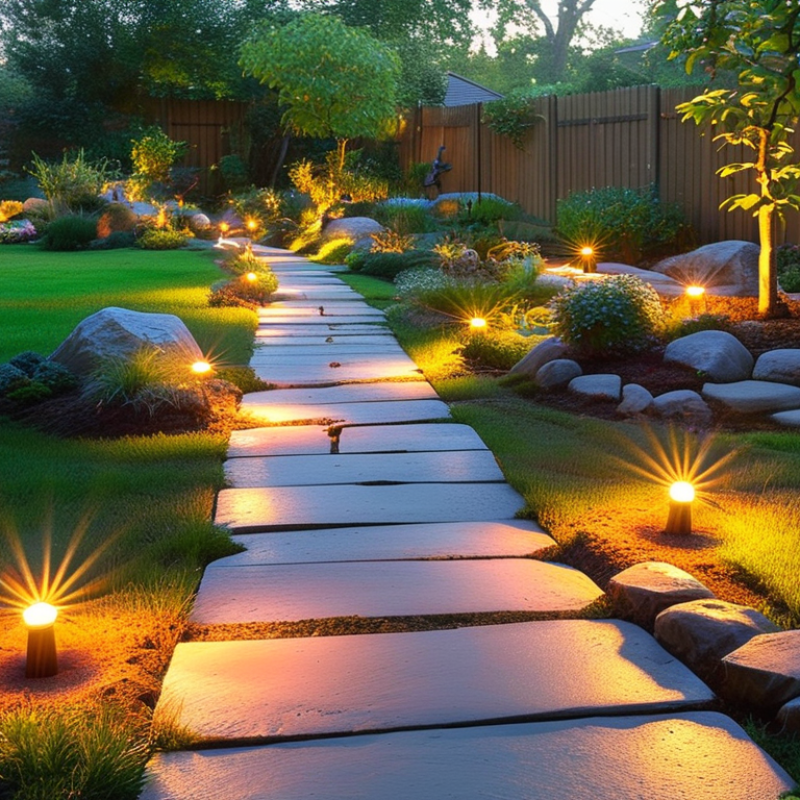
Factors to Consider When Selecting LED Pathway Lights for Gardens
When choosing LED pathway lights for your garden, consider several essential factors. The brightness level is crucial. Lights should illuminate paths clearly but avoid overwhelming brightness. Look for products with adjustable lumens. This allows customization based on your garden’s specific needs.
Another important factor is energy efficiency. LED lights consume less power than traditional options. This saves energy and reduces costs over time. Check the wattage of the lights before purchasing. Opt for lights that offer a good balance between brightness and power consumption.
Tips: Assess the landscape first. Designing a layout helps determine where lights should go. Experiment with heights and angles. The aesthetics matter, too. Choose a style that complements your garden decor. Don't shy away from mixing light types to create visual interest.
Lastly, durability is key. Outdoor lights face various weather conditions. Ensure that the materials are weatherproof. This will enhance longevity and reduce replacement costs. Pay attention to warranties provided by manufacturers. They can be indicators of the product's quality.
Types of LED Pathway Lights and Their Best Uses in Garden Settings
When selecting LED pathway lights for your garden, understanding the types available is essential. Solar-powered lights are popular for their energy efficiency. These lights harness sunlight during the day, so they shine brightly at night. However, their brightness can diminish if they don’t receive enough sunlight.
Another option is hardwired LED lights. They offer more brightness and can be controlled with timers or smart systems. That said, installation can be complicated and may require professional help. Choosing between these types depends on your garden's layout and your lighting needs.
Consider using string lights for a whimsical effect. These lights can be draped around trees or along fences, adding charm and a cozy feel to your garden. They can, however, sometimes lack the focused light needed for pathway illumination.
Tips for selecting the right lights include assessing your garden's size. Larger areas may require multiple light sources for adequate visibility. Think about the light color as well, too. Warm white light creates a soft glow, while cool white can feel stark. Balance aesthetics with functionality to achieve the best ambiance.
Energy Efficiency and Lifespan: Choosing the Right LED Technology
When selecting LED pathway lights for your garden, consider energy efficiency and lifespan as key factors. LEDs consume less energy than traditional lighting solutions, helping to lower your electricity bills. Their lifespan can exceed 25,000 hours, providing long-term savings and reducing the need for frequent replacements. Choosing high-quality LED technology ensures you enjoy these benefits for years.
Different LED types vary in efficiency. Look for lights with a high lumens-per-watt ratio. This indicates better light output for less energy. However, not all lights are created equal. Some cheaper options may not last as long or perform as expected. Reading customer reviews can help identify reliable products. Additionally, pay attention to the color temperature, as it impacts the ambiance of your garden.
Understanding the environmental impact is essential. LEDs emit less heat and reduce carbon footprint. However, sourcing can be tricky. Some manufacturers prioritize quality while others focus on cost alone. This might lead to risks when making a purchase. Consider consulting gardening forums for shared experiences and recommendations. An informed choice will enhance your garden's beauty while supporting sustainability.
Design and Style: Finding LED Lights That Complement Your Garden Aesthetic
When choosing LED pathway lights for your garden, consider how well they match your garden's design. The style of light can influence the overall aesthetics. For example, sleek, modern fixtures may complement contemporary landscaping. In contrast, lantern-style lights can enhance a traditional garden. Visual coherence is key to creating an inviting atmosphere.
Think about color temperature, too. Warm white lights can create a cozy feel, while cooler lights offer a more vibrant look. Mixing styles can sometimes work, but it requires careful balancing. Light placement matters greatly. A well-placed light can highlight beautiful plants or pathways, while poor positioning may wash out the space or create harsh shadows.
Textures and materials add another layer of complexity. Stone, metal, and plastic all behave differently with light. Reflective surfaces can amplify brightness, which might overwhelm softer elements. It's important to test different placements before committing to a final arrangement. Not all choices will suit your vision initially. Embrace the design journey, and don't hesitate to adjust as needed.
Installation Tips for Your LED Pathway Lights to Maximize Effectiveness
When installing LED pathway lights, location plays a key role. Begin by identifying high-traffic areas. Place lights where they enhance safety and visibility. This is particularly important for steps or narrow paths. Pay attention to spacing; lights should be evenly distributed to avoid dark patches. A well-lit garden feels inviting and secure.
Consider the angle of installation. Aim for an angle that minimizes glare while maximizing illumination. You may need to adjust the fixtures slightly. This can make a significant difference in the overall effect. Don't forget to account for the landscape's natural features. Trees and bushes can create shadows, so placement is crucial.
Wiring your lights properly is essential for safety. If you're unsure, consult a professional. This step is often overlooked but vital for longevity. Improper wiring can lead to failures or hazard. Test the lights before finalizing any installation. This ensures they illuminate as intended, allowing for adjustments if necessary. Take your time with each step to ensure a professional finish.
How to Choose the Best Led Pathway Light for Your Garden? - Installation Tips for Your LED Pathway Lights to Maximize Effectiveness
| Light Type | Brightness (Lumens) | Color Temperature (K) | Battery Life (Hours) | Installation Type | Price Range ($) |
| Solar LED | 100 - 300 | 3000 - 6500 | 6 - 12 | Stake/Surface Mounted | 15 - 50 |
| Wired LED | 200 - 800 | 2700 - 5000 | N/A | Hardwired | 30 - 100 |
| Smart LED | 150 - 600 | 3000 - 5000 | 5 - 10 | Wireless | 40 - 120 |
| Waterproof LED | 100 - 500 | 4000 - 7000 | 10 - 15 | Surface Mounted | 20 - 70 |