Why Choose Stainless Tube Mills for Your Manufacturing Needs?
When it comes to manufacturing, the choice of materials and machinery is crucial. Stainless Tube Mills stand out for their efficiency and durability. These mills are designed to produce high-quality stainless steel tubes that meet diverse industrial needs. With their advanced technology, they offer precision and consistency in every product.
Many manufacturers are realizing the benefits of using Stainless Tube Mills. These mills not only enhance production speed but also ensure that the final products are robust and reliable. The versatility of stainless steel allows for various applications, making it a preferred choice in many sectors. However, one must consider the specific requirements and limitations of their operations before making a decision.
Investing in Stainless Tube Mills can elevate your manufacturing process. However, careful evaluation is needed to match equipment capabilities with production goals. In the competitive landscape of manufacturing, aligning quality with efficiency is key. The decision should be informed and strategic, as the right mill can make a significant difference.
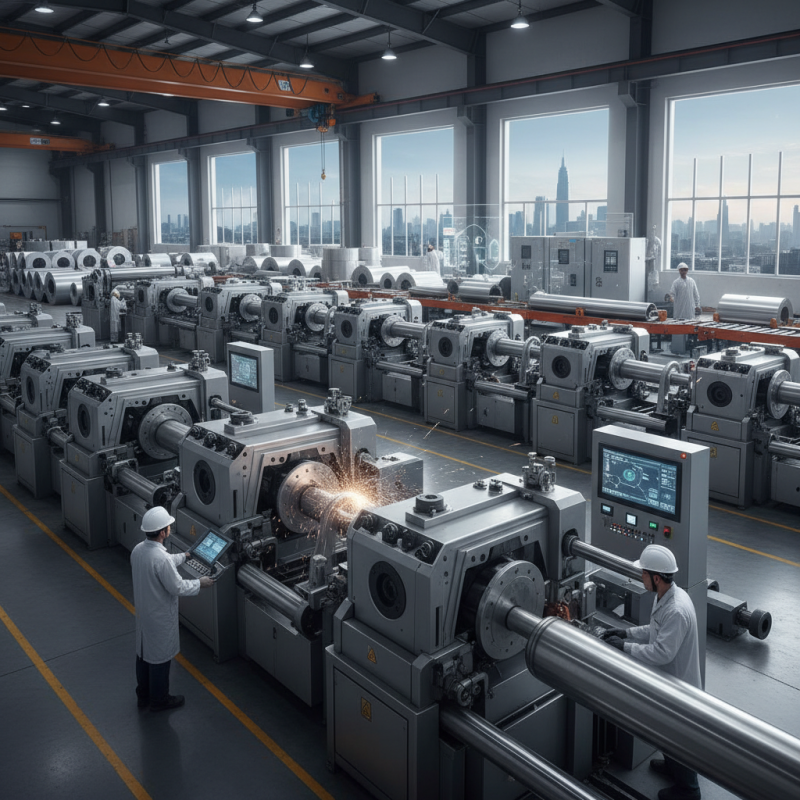
Benefits of Using Stainless Tube Mills in Manufacturing Processes
Stainless tube mills have revolutionized manufacturing processes across various industries. A notable report by Smithers Pira indicates that the global demand for stainless steel tubing is projected to grow by 5% annually. This growth is attributed to the material's exceptional qualities such as corrosion resistance, durability, and aesthetic appeal.
One key benefit of stainless tube mills is their efficiency in production. The modern mills can produce customized tube sizes quickly, accommodating specific client requirements. This flexibility can lead to reduced lead times and cost savings. In fact, companies utilizing stainless tubes reported a 15% reduction in material waste, according to a study by the International Stainless Steel Forum.
Tip: Always evaluate your specific manufacturing needs before choosing materials.
Stainless tubes also contribute to enhanced safety standards. Their robustness minimizes the risk of failures in critical applications, such as in the automotive and aerospace sectors. However, some manufacturers notice that not all mills maintain consistent quality, leading to unexpected challenges.
Tip: Regularly audit your supplier's quality assurance practices.
Innovation in stainless tube milling has led to advancements such as improved coatings and finishes. This not only boosts performance but can lead to sustainability in production. While many mills strive for eco-friendly operations, discrepancies still exist in waste management practices that require careful oversight.
Key Features of Stainless Tube Mills for Optimal Production
Stainless tube mills offer numerous key features that enhance production efficiency. They are designed to create high-quality stainless steel tubes with precision. These mills often incorporate advanced technology to ensure seamless manufacturing processes. One significant advantage is their ability to produce tubes of various dimensions. This versatility allows manufacturers to meet diverse market demands effectively.
The mills often utilize automated systems, which reduce human error. These systems ensure consistent quality during production. However, the complexity of such automated features can sometimes lead to unexpected challenges. Maintenance of technology is crucial, yet can be overlooked. Regular inspections and updates are necessary to prevent production downtime.
In addition, the energy efficiency of stainless tube mills is noteworthy. They consume less power compared to traditional methods. However, not all mills achieve similar levels of energy efficiency. Manufacturers must evaluate their options carefully. A deeper understanding of each mill’s capabilities can lead to better production outcomes and overall performance.
Why Choose Stainless Tube Mills for Your Manufacturing Needs? - Key Features of Stainless Tube Mills for Optimal Production
| Feature | Description | Benefits |
| Durability | Manufactured from high-quality stainless steel. | Resistant to corrosion and wear, ensuring long-lasting performance. |
| Precision Engineering | Utilizes advanced technology for accurate dimensions. | Ensures a perfect fit and reduces waste in production. |
| Versatility | Adaptable for various industries and applications. | Can produce tubes for construction, automotive, and more. |
| Efficiency | Streamlined manufacturing processes reduce production time. | Lower operational costs and faster throughput. |
| Customization | Ability to produce custom sizes and specifications. | Meets specific customer requirements enhancing satisfaction. |
Comparative Analysis: Stainless Tube Mills vs. Other Manufacturing Methods
When comparing stainless tube mills to other manufacturing methods, several key factors emerge. Stainless tube mills offer a unique blend of efficiency and quality. According to a 2023 industry report, tube mills can achieve production speeds of up to 300 feet per minute. This rapid output often surpasses traditional methods, making them a preferred choice in high-demand scenarios.
Moreover, stainless tube mills provide superior precision. The wall thickness uniformity can reach within 0.005 inches. This level of accuracy is rarely seen in traditional metal forming techniques, which can lead to greater product waste. A recent survey indicated that manufacturers experienced a 15% reduction in material wastage when adopting stainless tube mills.
However, it's important to consider the initial investment in such technology. The upfront costs for stainless tube mills can be significant, creating a barrier for smaller manufacturers. Many companies struggle to balance budget constraints with the desire for advanced manufacturing efficiencies. There's a need to evaluate whether the long-term benefits justify the high initial expenses.
Sustainability and Longevity of Stainless Steel Tubes in Industry
Stainless steel tubes have gained recognition for their sustainability in various industries. Recent reports indicate that stainless steel can be recycled without losing its quality. The International Stainless Steel Forum highlights that about 75% of stainless steel is recycled globally. This makes it an environmentally friendly choice, reducing waste and conserving natural resources.
The longevity of stainless steel products further supports its use in manufacturing. Studies suggest that stainless steel tubes have a lifespan of over 100 years when properly maintained. Additionally, they resist corrosion and staining, making them ideal for harsh environments. This durability can lead to significant cost savings in the long run, as companies spend less on replacements and maintenance.
However, the initial cost of stainless steel tubes can be higher. Some manufacturers may be hesitant to invest upfront. It's essential to weigh these costs against the long-term benefits. Increased awareness and ongoing education can help industries recognize the value of choosing stainless tube mills. Balancing expenses and environmental impacts is a crucial reflection for manufacturers in today's market.
Applications and Industries Benefiting from Stainless Tube Mills
Stainless tube mills serve a variety of industries. They are essential in sectors like construction, automotive, and food processing. In construction, stainless steel tubes provide durability and resistance to corrosion. These properties enhance the longevity of structures, making them a smart choice.
In the automotive industry, manufacturers rely on stainless tubes for exhaust systems and structural components. These tubes withstand high temperatures and harsh environments. Meanwhile, in food processing, stainless tubes ensure hygiene. They are easy to clean and do not react with food substances. This is crucial for maintaining safety standards.
While many benefits exist, challenges still arise. The initial investment in stainless tube mills can be significant. Additionally, ensuring consistent quality requires expertise. Some manufacturers may struggle with these complexities. Adapting to specific industry demands is not always straightforward. Nonetheless, the advantages often outweigh these hurdles, making stainless tube mills a viable choice for many manufacturers.
Applications of Stainless Steel Tube Mills Across Industries