How to Buy Rubber Conveyor Belts at the 139th Canton Fair?
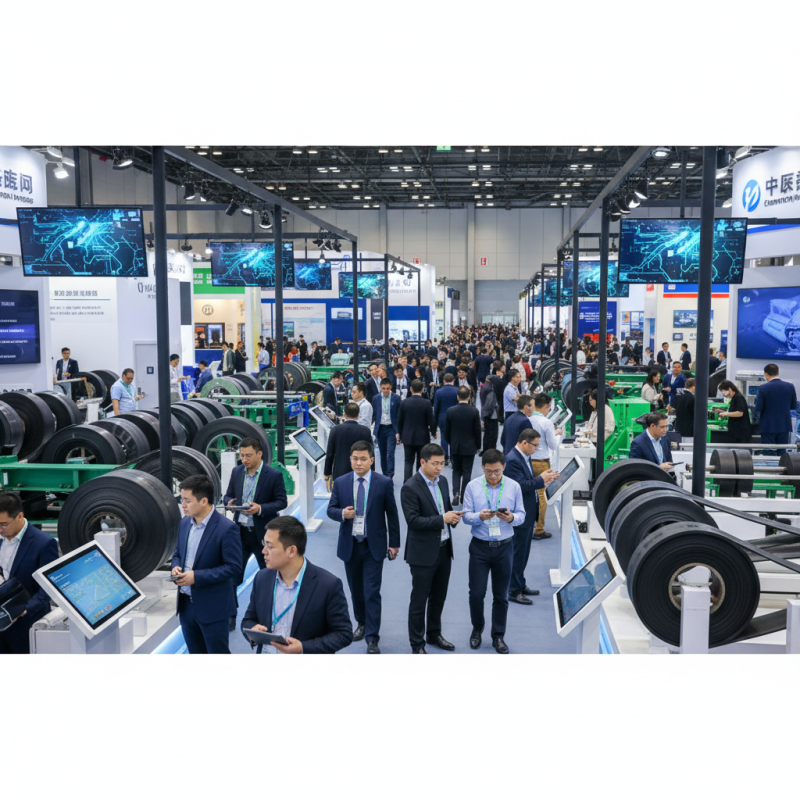
Purchasing a Rubber Conveyor Belt at the 139th Canton Fair requires careful planning and consideration. The Canton Fair, a prominent trade event, will take place from April 15 to May 5, 2026. It features various industries, including advanced manufacturing and electronics. Attendees can benefit from the fair's new AI-powered search and navigation tools. These advancements will help buyers find suppliers with specific qualifications like ISO and CE certifications.
Navigating the extensive exhibition area of 1.55 million square meters can be daunting. Precise path planning is crucial for efficiency. However, despite these improvements, challenges may arise. One might face difficulties finding the right suppliers or products. The vast choices can be overwhelming, leading to poor decision-making. Therefore, it's essential to set clear objectives before attending.
A successful visit to the fair depends on proper preparation. Identify key requirements and research potential suppliers. Seek out manufacturers that specialize in Rubber Conveyor Belts. Engage with them to gather information on products and pricing. Remember that not every supplier will meet your expectations. Stay flexible and keep an open mind as you explore the fair.
Understanding the Basics of Rubber Conveyor Belts
Rubber conveyor belts are vital in many industries. They transport materials efficiently and safely. A comprehensive understanding of their construction can improve purchasing decisions. Most rubber conveyor belts consist of layers. The top layer usually contains synthetic rubber, while the bottom layer serves as a supporting element. Understanding these layers helps in selecting the right belt for specific needs.
According to a recent report, the global conveyor belt market is expected to grow at a CAGR of 3.5% by 2027. This growth indicates an increasing demand for durable and reliable conveyor systems. However, not all belts suit every application. Choosing the wrong type can lead to wear and tear. For example, belts used in extreme temperatures require special materials. This is an area that often needs more attention from buyers.
Purchasing rubber conveyor belts demands careful consideration. It's important to evaluate factors like material type, load capacity, and environmental conditions. Even slight miscalculations in these factors can lead to significant issues down the line. Price is always a consideration, but investing in quality can save costs in the long run.
How to Buy Rubber Conveyor Belts at the 139th Canton Fair? - Understanding the Basics of Rubber Conveyor Belts
| Category | Material Type | Width (mm) | Length (m) | Thickness (mm) | Application |
| General Purpose | Natural Rubber | 400 | 50 | 5 | Material Handling |
| Heat Resistant | SBR | 600 | 100 | 8 | High-Temperature Environments |
| Oil Resistant | Nitrile Rubber | 500 | 75 | 6 | Petroleum and Oil Products |
| Cold Resistant | EPDM | 700 | 60 | 7 | Freezing Environments |
| Food Grade | FDA Approved Rubber | 500 | 80 | 4 | Food Processing |
Preparing for the 139th Canton Fair: Key Steps to Follow
Preparing for the 139th Canton Fair requires careful planning. Rubber conveyor belts are vital across many industries. The market for these belts is expected to grow at a rate of approximately 4.8% annually. This trend highlights the importance of sourcing quality products at trade shows.
Gather your research before attending. Understand the specifications you need. Know the types of rubber conveyor belts that suit your industry. Prioritize your requirements. This will save time and streamline decision-making at the fair.
Tips: Create a checklist of must-have features. Consider factors like durability and cost. Exhibit a clear understanding of your supply needs.
Be prepared for negotiation. Prices can vary widely. Market research is crucial. Industry reports suggest that establishing a rapport with suppliers leads to better deals. Look for vendors that offer warranties or after-sales support. These factors can greatly influence your choice.
Identifying Reliable Suppliers at the Canton Fair
When attending the 139th Canton Fair, identifying reliable suppliers is crucial for purchasing rubber conveyor belts. Start by researching the exhibitors beforehand. Make a list of potential suppliers so you can navigate the vast venue more easily. Focus on those with a solid reputation in the industry. Check their online presence and customer reviews, but remember that some opinions may be biased.
During the fair, approach suppliers with direct questions about their products. Ask about the materials used and their manufacturing process. Observe their response time and willingness to provide detailed information. These factors can indicate their reliability. Look for certification and quality assurance documents. However, don’t take everything at face value; some suppliers might oversell their capabilities.
Engage in conversations with other attendees. Their insights can guide you to trustworthy vendors. Trust your instincts; if something feels off, investigate further. Take notes on each interaction. Sometimes, it’s easier to remember suppliers who seemed straightforward. It’s essential to have an organized approach while being open to learning. Mistakes can happen. Reflect on your experience to improve future sourcing decisions.
Evaluating Rubber Conveyor Belts: Key Features to Consider
When attending the 139th Canton Fair, evaluating rubber conveyor belts is crucial. Key features can impact your choice significantly. Consider the material construction, which affects durability and flexibility. According to industry reports, belts made from high-quality rubber can last 30% longer than lower-grade alternatives.
Another important feature is the belt's load capacity. Make sure it matches the intended application. Statistics show that belts designed for heavy loads can enhance productivity by up to 25%. Also, pay attention to the surface texture. A proper grip can prevent slippage, reducing operational risks.
Tip: Always ask for samples before purchasing. Inspect the quality and performance. This hands-on approach can help identify potential issues early.
Remember to check for compliance certifications. These can indicate reliability. Be cautious of deals that seem too good to be true. Sometimes, lower costs come with hidden compromises. Evaluating these features ensures a better investment.
Evaluation of Key Features in Rubber Conveyor Belts
Negotiating and Finalizing Your Purchase at the Fair
Negotiating and finalizing your purchase at the 139th Canton Fair can be an exciting yet challenging experience. Rubber conveyor belts are crucial in various industries. Finding the right suppliers means navigating through numerous booths. Over 25% of attendees are looking for manufacturing solutions. This presents both opportunity and competition.
It's essential to prepare before engaging with suppliers. Research current market prices. Reports indicate prices fluctuate based on material quality and specifications. Prices can differ by more than 15% between suppliers. This variance emphasizes the need for careful negotiation. Don’t rush; take your time. Ask for samples to ensure quality.
Tips: When negotiating, maintain a clear budget. Firmly express your needs. Remember, relationships matter in the industry. Follow up promptly after your meetings. Record details discussed, which helps in making informed decisions later. If something feels off, don't hesitate to revisit your options. Your comfort with the deal is vital.
Guaranteeing your purchase at the fair involves understanding terms of payment and delivery schedules. Confirm lead times. Many suppliers offer flexibility but may charge extra for expedited shipping. Reflect on how your choices align with your operational needs. A thorough evaluation can save costs and time down the road.