Best 7kw EV Car Charger Options for Global Buyers?
The rise of electric vehicles (EVs) has transformed the automotive landscape. As more drivers transition to electric cars, the demand for effective charging solutions increases. Among these solutions, the 7kw Ev Car Charger stands out as a popular choice among global buyers. It strikes a balance between power and efficiency, enabling users to charge their vehicles conveniently at home or in public spaces.
Various 7kw EV car charger models are available, catering to diverse needs and preferences. They can differ in design, features, and compatibility with different vehicle types. Selecting the right charger can be overwhelming, especially with the myriad of options on the market. Prospective buyers may often wonder which factors to prioritize. Power delivery, installation requirements, and safety features are vital considerations. It is crucial to steer clear of chargers that compromise reliability or user experience.
Nevertheless, it is essential to be aware of potential shortcomings. Some chargers may lack adequate support or have confusing installation processes. It is best to research thoroughly and seek expert opinions. This approach will help buyers make well-informed decisions. With the right guidance, choosing the ideal 7kw EV car charger can enhance the overall EV experience.
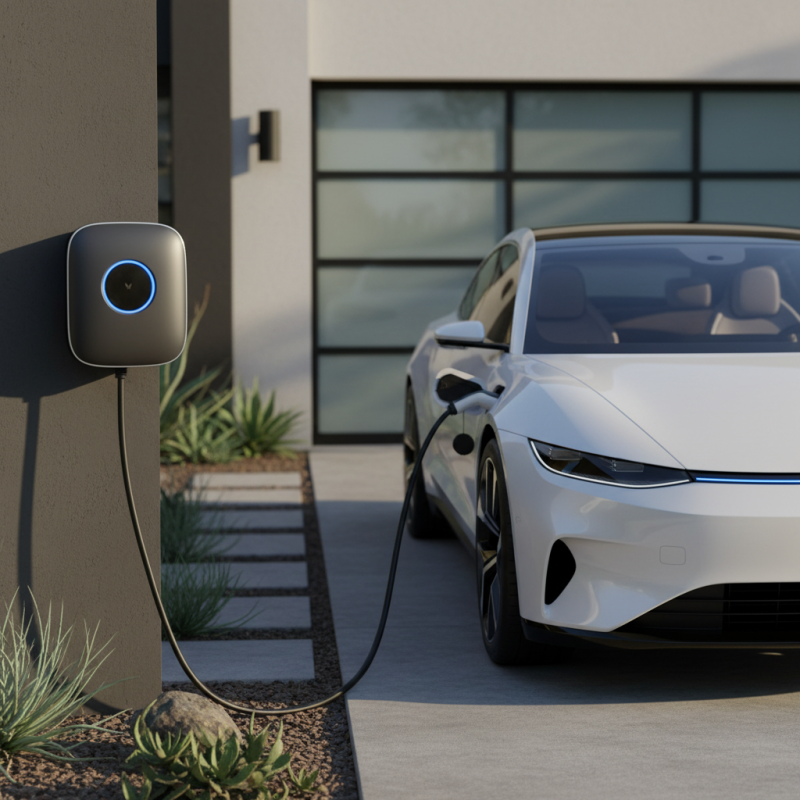
Best 7kW EV Car Chargers: An Overview of Global Options
As electric vehicle (EV) adoption grows, the demand for efficient home charging solutions rises. Among the popular options are 7kW EV chargers, suitable for various markets worldwide. Research by the International Energy Agency indicates that home charging accounts for a significant 80% of EV charging needs. This is because most users prefer the convenience of charging overnight.
When selecting a 7kW charger, there are several factors to consider. These chargers generally provide around 30 miles of range per hour of charging. It's essential to ensure compatibility with multiple vehicle types, as many homes feature different models. Various chargers offer smart features, allowing users to monitor charging sessions remotely. However, the installation process can sometimes be complicated and may require professional assistance, leading to unexpected costs.
While the 7kW rating strikes a balance between speed and efficiency, it is essential to evaluate local electricity supply limitations. Some regions may not fully support higher charging rates, which can affect performance. Additionally, users should consider the implications of integrating renewable energy sources. This can make the charging process more sustainable but may also pose technical challenges. Exploring these options requires careful consideration and planning to ensure a positive experience.
Key Features to Consider When Choosing a 7kW EV Charger
When selecting a 7kW EV charger, certain key features must be prioritized. The charging speed is crucial. A 7kW charger can charge most electric vehicles (EVs) in about 4-6 hours, making it suitable for overnight charging. According to the International Energy Agency, the demand for home charging solutions is growing as more EVs hit the market.
Another vital consideration is the charger’s compatibility with various EV models. A universal connector is essential for flexibility. Additionally, look for chargers with built-in safety features, such as overcurrent protection and temperature monitoring. These features enhance user safety and reliability. Data from industry reports indicate that safety is a top concern among 70% of potential EV owners.
Lastly, connectivity options can greatly enhance user experience. Smart chargers with Wi-Fi or Bluetooth capabilities allow users to remotely monitor and manage charging sessions via mobile apps. Yet, not all smart features will be necessary for every user; this presents an opportunity to reflect on individual needs. Consider the installation process as well, as complex setups may lead to higher overall costs.
Best 7kW EV Charger Options for Global Buyers
This chart displays key features to consider when choosing a 7kW EV charger, including charging speed, charge time, portability, smart features, and cost. Each feature is represented with relevant data to help global buyers make informed decisions.
Comparing the Efficiency of Different 7kW EV Charger Models
When considering the efficiency of different 7kW EV charger models, performance varies significantly. Some models excel in charging speed, while others prioritize energy efficiency. A critical factor is how well these chargers convert electrical energy. Higher efficiency means less energy loss during the charging process.
User reviews often highlight subtle differences. Some chargers might take longer to complete a charge, raising questions about their efficiency. Yet, others may come with advanced features like smart charging capabilities, which optimize power usage. However, adaptability to different EV models is also essential. A charger that works well with one vehicle may not perform the same with another. Therefore, real-world testing and feedback play a vital role in assessing these products.
Buyers should consider installation ease and compatibility with their home setup. Some chargers require professional installation, adding to upfront costs. Conversely, others are more user-friendly and can be set up quickly. Evaluating these factors is crucial for informed decision-making. Ultimately, the most efficient charger may depend on individual needs and circumstances.
Best 7kw EV Car Charger Options for Global Buyers
| Model | Charging Speed (kW) | Efficiency (%) | Connectivity | Price ($) |
| Model A | 7 kW | 95% | Wi-Fi, Bluetooth | 499 |
| Model B | 7 kW | 92% | Ethernet, Wi-Fi | 450 |
| Model C | 7 kW | 90% | Wi-Fi | 475 |
| Model D | 7 kW | 85% | Bluetooth | 425 |
| Model E | 7 kW | 88% | Wi-Fi, Cellular | 460 |
The Impact of 7kW Chargers on Charging Times for EVs
7kW electric vehicle (EV) chargers are an intriguing option for a variety of buyers globally. These chargers significantly impact charging times, making them an appealing choice for many. Studies indicate that using a 7kW charger can replenish an EV's battery from empty to 100% in approximately five to eight hours, depending on the vehicle model. This translates to a full charge overnight, ideally suited for home charging solutions.
In contrast, faster chargers, such as 22kW units, reduce charging times considerably but are often less accessible to the average user. According to recent industry reports, around 60% of EV owners prefer slower charging methods at home for convenience and affordability. However, many people struggle with range anxiety and the longer charging times associated with 7kW chargers. It’s important to recognize the trade-off between charging speed and the convenience of home charging stations, especially for daily commuters.
User experiences reveal varying satisfaction levels. Some find 7kW charging perfectly adequate for their routines, while others express concerns about the waiting periods. This disparity emphasizes the challenges faced by EV owners as they weigh their charging options. The EV landscape continues to evolve, and ongoing research will help address these concerns, ultimately leading to improved user experiences and more efficient charging technologies.
Cost Analysis: Investing in 7kW EV Chargers for Home and Business
Investing in a 7kW EV charger can be a practical choice for both homes and businesses. These chargers offer a balance between charging speed and efficiency. Many users appreciate the convenience of charging their vehicles overnight. This ensures the car is ready for use each morning. However, the initial costs can be a concern. Prices can vary significantly based on installation requirements and features.
While upfront investment is key, operational costs should not be overlooked. Many electricity providers offer special rates for EV charging. These rates can lower monthly bills. Nonetheless, some users report being surprised by the overall electrical costs. It’s crucial to evaluate your local electricity rates before investing. Additionally, consider your charging habits. Are you using the charger daily or occasionally? This will impact your total spending.
Another factor is the available incentives for EV chargers. Some regions offer tax credits or rebates. These can help make the investment more attractive. Yet, eligibility and application processes can be confusing. It's essential to stay informed about local policies. Many buyers struggle to navigate these options. A personalized assessment can shed light on potential savings. Remember, a 7kW charger can be a worthwhile investment if approached thoughtfully.